Buy momente.eu ?
We are moving the project
momente.eu .
Are you interested in purchasing the domain
momente.eu ?
domain@kv-gmbh.de · 0541-91531010
Buy momente.eu ?
Why do non-bonding electron pairs occupy more space than bonding electron pairs?
Non-bonding electron pairs occupy more space than bonding electron pairs because they are not involved in forming a bond and are therefore more spread out. Bonding electron pairs are held between two atoms in a fixed position, while non-bonding electron pairs are free to move around the atom, leading to increased repulsion between them. This repulsion causes non-bonding electron pairs to spread out more, taking up more space compared to bonding electron pairs. **
Is 20 pairs of shoes not enough?
It depends on the individual's needs and preferences. For some people, 20 pairs of shoes may be more than enough, while for others it may not be sufficient. Factors such as lifestyle, fashion preferences, and practicality all play a role in determining whether 20 pairs of shoes is enough. Ultimately, the number of shoes needed is subjective and varies from person to person. **


Similar search terms for Clihome-20-Pairs-Wood
Top-Angebote
Products related to Clihome-20-Pairs-Wood:
-
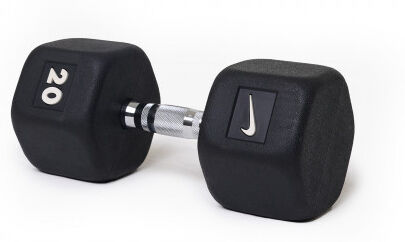
nikestrength Nike Strength Dumbbell Pairs 20 kgThe Nike Strength Dumbbell is the ultimate training companion, designed to cater to beginners all the way up to seasoned athletes. Constructed with durable rubber and sculpted to provide comfort during your training sessions. The medium knurled handle is crafted to provide a secure and...166,00 £*Shipping: 0,00 £Secure redirect to the provider
-
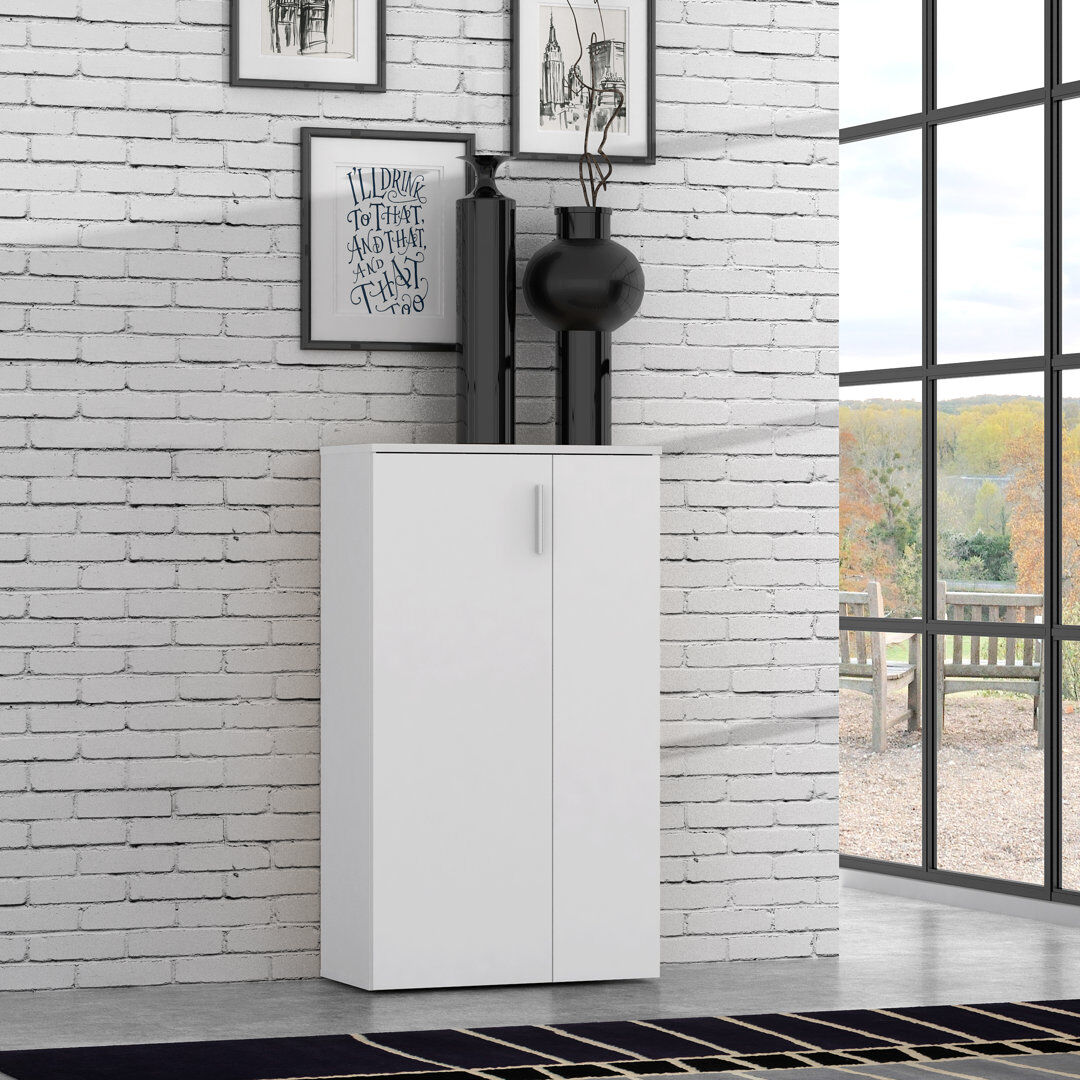
Natur Pur Shoe Cabinet for 20 Pairs of Shoes White 20Bring order to your home with this shoe cabinet, which combines rustic flair with modern charm with its design made of natural wood. The piece of furniture is available in a variety of colors and can therefore be easily integrated into your home. In the six compartments inside you can store the shoes of the whole family in style. Brand Name: Natur Pur. Finish: White73,99 £*Shipping: 14,99 £Secure redirect to the provider
-
nikestrength Nike Strength Grind Dumbbell Pairs 20 kgIntroducing the Nike Strength Grind Dumbbell, a perfect blend of innovation, performance, and sustainability. Crafted to cater to all fitness levels, these dumbbells feature durable Nike Strength Grind rubber, composed of at least 30% recycled material from Nike's footwear manufacturing process....174,00 £*Shipping: 0,00 £Secure redirect to the provider
-
Natur Pur Shoe Cabinet for 20 Pairs of Shoes Brown/Black 20Bring order to your home with this shoe cabinet, which combines rustic flair with modern charm with its design made of natural wood. The piece of furniture is available in a variety of colors and can therefore be easily integrated into your home. In the six compartments inside you can store the shoes of the whole family in style. Brand Name: Natur Pur. Finish: Brown/Black79,99 £*Shipping: 14,99 £Secure redirect to the provider


-
Why do free electron pairs require more space than bonding pairs?
Free electron pairs require more space than bonding pairs because they are not involved in forming a bond and are free to move around the atom. Bonding pairs are shared between two atoms and are held in a fixed position, which allows them to occupy less space. Free electron pairs, on the other hand, repel each other due to their negative charge, causing them to spread out as much as possible to minimize repulsion. This results in free electron pairs requiring more space compared to bonding pairs. **
-
Why do free electron pairs require more space than bonding electron pairs?
Free electron pairs require more space than bonding electron pairs because they are not involved in forming a chemical bond and are therefore more spread out. Bonding electron pairs are shared between two atoms and are held closer together, occupying less space. Free electron pairs, on the other hand, are not constrained by a bond and repel each other, causing them to spread out and require more space. This is known as the lone pair repulsion effect. **
-
Why do free electron pairs take up more space than bonding electron pairs?
Free electron pairs take up more space than bonding electron pairs because they are not involved in the formation of a covalent bond and are more spread out. In contrast, bonding electron pairs are held more closely between the two atoms involved in the bond, resulting in a smaller effective size. Additionally, free electron pairs are more likely to experience repulsion from other electron pairs, leading to a larger spatial distribution. This is why free electron pairs tend to have a greater influence on the overall shape and geometry of a molecule. **
-
Why do non-bonding electron pairs take up more space than bonding electron pairs in the VSEPR model?
Non-bonding electron pairs take up more space than bonding electron pairs in the VSEPR model because they are not involved in the formation of a bond and therefore experience greater repulsion from other electron pairs. This repulsion causes non-bonding electron pairs to spread out more, resulting in a larger electron cloud and a greater repulsive force. In contrast, bonding electron pairs are held closer together by the shared nucleus of the bonded atoms, leading to a smaller electron cloud and less repulsion. This difference in repulsion between non-bonding and bonding electron pairs is a key factor in determining the overall shape of a molecule in the VSEPR model. **


How do you distinguish between bonding and non-bonding electron pairs?
Bonding electron pairs are involved in the formation of chemical bonds between atoms, while non-bonding electron pairs are not involved in the formation of chemical bonds. Bonding electron pairs are typically found in the outermost energy level of an atom and are shared between two atoms to form a bond, while non-bonding electron pairs are also found in the outermost energy level but are not involved in bonding and are often referred to as lone pairs. In a Lewis structure, bonding electron pairs are represented by a solid line or dash between the atoms, while non-bonding electron pairs are represented as pairs of dots around the atom. **
How can I identify the non-bonding electron pairs?
Non-bonding electron pairs, also known as lone pairs, can be identified by looking at the Lewis structure of a molecule. These are the pairs of electrons that are not involved in bonding with other atoms. In a Lewis structure, non-bonding electron pairs are typically shown as dots around the central atom. Additionally, non-bonding electron pairs can also be identified by considering the VSEPR (Valence Shell Electron Pair Repulsion) theory, which predicts the geometry of a molecule based on the arrangement of bonding and non-bonding electron pairs around the central atom. **
Top-Angebote
Products related to Clihome-20-Pairs-Wood:
-
Clihome Wood 24 Pairs Shoe Storage Cabinet with 3 Flip DrawersThis modern shoe cabinet has a minimalist design and is the right size to fit neatly against a hallway, utility room or entrance wall. The comfortable storage compartment can store approximately 24 pairs of shoes, depending on the size of your shoes.302,99 $*Shipping: 0,00 $Secure redirect to the provider
-
Latitude Run 20 Pairs Shoe Storage Cabinet White 20Our hallway shoe cabinet has two practical flap drawers that open and close effortlessly. Each drawer has two removable dividers, making it easy to adjust the width of the cabinet to suit different sizes and styles. This white cabinet combines practicality with elegant design. Brand Name: Latitude Run.105,99 £*Shipping: 0,00 £Secure redirect to the provider
-
nikestrength Nike Strength Dumbbell Pairs 20 kgThe Nike Strength Dumbbell is the ultimate training companion, designed to cater to beginners all the way up to seasoned athletes. Constructed with durable rubber and sculpted to provide comfort during your training sessions. The medium knurled handle is crafted to provide a secure and...166,00 £*Shipping: 0,00 £Secure redirect to the provider
-
Natur Pur Shoe Cabinet for 20 Pairs of Shoes White 20Bring order to your home with this shoe cabinet, which combines rustic flair with modern charm with its design made of natural wood. The piece of furniture is available in a variety of colors and can therefore be easily integrated into your home. In the six compartments inside you can store the shoes of the whole family in style. Brand Name: Natur Pur. Finish: White73,99 £*Shipping: 14,99 £Secure redirect to the provider
-
Why do non-bonding electron pairs occupy more space than bonding electron pairs?
Non-bonding electron pairs occupy more space than bonding electron pairs because they are not involved in forming a bond and are therefore more spread out. Bonding electron pairs are held between two atoms in a fixed position, while non-bonding electron pairs are free to move around the atom, leading to increased repulsion between them. This repulsion causes non-bonding electron pairs to spread out more, taking up more space compared to bonding electron pairs. **
-
Is 20 pairs of shoes not enough?
It depends on the individual's needs and preferences. For some people, 20 pairs of shoes may be more than enough, while for others it may not be sufficient. Factors such as lifestyle, fashion preferences, and practicality all play a role in determining whether 20 pairs of shoes is enough. Ultimately, the number of shoes needed is subjective and varies from person to person. **
-
Why do free electron pairs require more space than bonding pairs?
Free electron pairs require more space than bonding pairs because they are not involved in forming a bond and are free to move around the atom. Bonding pairs are shared between two atoms and are held in a fixed position, which allows them to occupy less space. Free electron pairs, on the other hand, repel each other due to their negative charge, causing them to spread out as much as possible to minimize repulsion. This results in free electron pairs requiring more space compared to bonding pairs. **
-
Why do free electron pairs require more space than bonding electron pairs?
Free electron pairs require more space than bonding electron pairs because they are not involved in forming a chemical bond and are therefore more spread out. Bonding electron pairs are shared between two atoms and are held closer together, occupying less space. Free electron pairs, on the other hand, are not constrained by a bond and repel each other, causing them to spread out and require more space. This is known as the lone pair repulsion effect. **
Similar search terms for Clihome-20-Pairs-Wood
-
nikestrength Nike Strength Grind Dumbbell Pairs 20 kgIntroducing the Nike Strength Grind Dumbbell, a perfect blend of innovation, performance, and sustainability. Crafted to cater to all fitness levels, these dumbbells feature durable Nike Strength Grind rubber, composed of at least 30% recycled material from Nike's footwear manufacturing process....174,00 £*Shipping: 0,00 £Secure redirect to the provider
-
Natur Pur Shoe Cabinet for 20 Pairs of Shoes Brown/Black 20Bring order to your home with this shoe cabinet, which combines rustic flair with modern charm with its design made of natural wood. The piece of furniture is available in a variety of colors and can therefore be easily integrated into your home. In the six compartments inside you can store the shoes of the whole family in style. Brand Name: Natur Pur. Finish: Brown/Black79,99 £*Shipping: 14,99 £Secure redirect to the provider
-
Natur Pur Shoe Cabinet for 20 Pairs of Shoes White/Brown 20Bring order to your home with this shoe cabinet, which combines rustic flair with modern charm with its design made of natural wood. The piece of furniture is available in a variety of colors and can therefore be easily integrated into your home. In the six compartments inside you can store the shoes of the whole family in style. Brand Name: Natur Pur. Finish: White/Brown75,99 £*Shipping: 14,99 £Secure redirect to the provider
-
Why do free electron pairs take up more space than bonding electron pairs?
Free electron pairs take up more space than bonding electron pairs because they are not involved in the formation of a covalent bond and are more spread out. In contrast, bonding electron pairs are held more closely between the two atoms involved in the bond, resulting in a smaller effective size. Additionally, free electron pairs are more likely to experience repulsion from other electron pairs, leading to a larger spatial distribution. This is why free electron pairs tend to have a greater influence on the overall shape and geometry of a molecule. **
-
Why do non-bonding electron pairs take up more space than bonding electron pairs in the VSEPR model?
Non-bonding electron pairs take up more space than bonding electron pairs in the VSEPR model because they are not involved in the formation of a bond and therefore experience greater repulsion from other electron pairs. This repulsion causes non-bonding electron pairs to spread out more, resulting in a larger electron cloud and a greater repulsive force. In contrast, bonding electron pairs are held closer together by the shared nucleus of the bonded atoms, leading to a smaller electron cloud and less repulsion. This difference in repulsion between non-bonding and bonding electron pairs is a key factor in determining the overall shape of a molecule in the VSEPR model. **
-
How do you distinguish between bonding and non-bonding electron pairs?
Bonding electron pairs are involved in the formation of chemical bonds between atoms, while non-bonding electron pairs are not involved in the formation of chemical bonds. Bonding electron pairs are typically found in the outermost energy level of an atom and are shared between two atoms to form a bond, while non-bonding electron pairs are also found in the outermost energy level but are not involved in bonding and are often referred to as lone pairs. In a Lewis structure, bonding electron pairs are represented by a solid line or dash between the atoms, while non-bonding electron pairs are represented as pairs of dots around the atom. **
-
How can I identify the non-bonding electron pairs?
Non-bonding electron pairs, also known as lone pairs, can be identified by looking at the Lewis structure of a molecule. These are the pairs of electrons that are not involved in bonding with other atoms. In a Lewis structure, non-bonding electron pairs are typically shown as dots around the central atom. Additionally, non-bonding electron pairs can also be identified by considering the VSEPR (Valence Shell Electron Pair Repulsion) theory, which predicts the geometry of a molecule based on the arrangement of bonding and non-bonding electron pairs around the central atom. **
* All prices are inclusive of VAT and, if applicable, plus shipping costs. The offer information is based on the details provided by the respective shop and is updated through automated processes. Real-time updates do not occur, so deviations can occur in individual cases. ** Note: Parts of this content were created by AI.