Buy momente.eu ?
We are moving the project
momente.eu .
Are you interested in purchasing the domain
momente.eu ?
domain@kv-gmbh.de · 0541-91531010
Buy momente.eu ?
How do saxophone and flute sound together?
The saxophone and flute create a beautiful and harmonious sound when played together. The warm and rich tones of the saxophone blend well with the light and airy sound of the flute, creating a balanced and pleasing musical combination. Their different timbres complement each other, allowing for a dynamic and expressive musical performance. Overall, the saxophone and flute sound together create a delightful and captivating musical experience. **
'Piano or flute?'
Both the piano and the flute are beautiful instruments with their own unique qualities. The piano is a versatile instrument that can play both melody and harmony, while the flute has a delicate and expressive sound. The choice between the two ultimately depends on personal preference and the type of music one enjoys playing. **

Similar search terms for RCR-Melodia-Flute-and
Top-Angebote
Products related to RCR-Melodia-Flute-and:
-
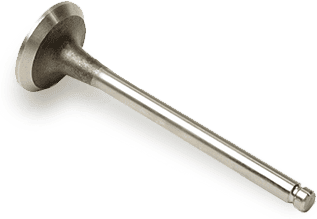
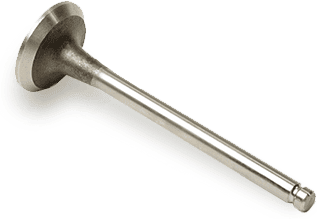
FRECCIA R4222/RCR Exhaust valveSupplementary Article / Supplementary Info Info 2: Chromed valve stem; Length [mm]: 111,3; Valve Stem Diameter [mm]: 8; Valve Head Diameter [mm]: 32,5; Material: Chrome-Mangan-Nickel Steel; Valve seat angle [°]: 45; Connector type: E; TecDoc Engine Number: 3254, 4861, 4863, 3234, 3219, 3220, 3235, 3221, 3222, 3247, 3257, 3258, 3259, 3260, 3255, 3256, 3218, 3991, 3909, 3907, 3250, 32427,59 £*Shipping: 8,45 £Secure redirect to the provider
-
FRECCIA R4945/RCR Exhaust valveSupplementary Article / Supplementary Info Info 2: Chromed valve stem; Length [mm]: 127,5; Valve Stem Diameter [mm]: 7; Valve Head Diameter [mm]: 36,9; Material: Chrome-Mangan-Nickel Steel; Valve seat angle [°]: 45; Connector type: I; TecDoc Engine Number: 4830, 4831, 2748, 4292, 4294, 4293, 65858,59 £*Shipping: 8,45 £Secure redirect to the provider


-
Clarinet or flute?
It ultimately depends on personal preference and the type of music one enjoys playing. The clarinet has a rich, warm tone and is often used in classical and jazz music, while the flute has a bright, airy sound and is commonly found in classical, folk, and pop music. Both instruments have their own unique qualities and can be equally enjoyable to play. **
-
Why are saxophone and flute considered woodwind instruments?
Saxophones and flutes are considered woodwind instruments because they produce sound by the vibration of air within a tube, which is a characteristic of woodwind instruments. Despite the fact that saxophones are typically made of brass, they are classified as woodwinds due to their method of sound production. Flutes, on the other hand, are traditionally made of wood, but modern flutes are often made of metal or other materials. Both instruments are played by blowing air through a mouthpiece, causing a reed or the edge of a hole to vibrate and produce sound. **
-
What is the difference between flute and oboe?
The main difference between the flute and oboe lies in their construction and sound production. The flute is a woodwind instrument that produces sound by blowing air across a hole in the mouthpiece, while the oboe is a double-reed instrument that creates sound by vibrating two reeds against each other. Additionally, the flute has a higher pitch and a brighter tone compared to the oboe, which has a more nasal and reedy sound. The oboe is also known for its prominent role in orchestral music, while the flute is versatile and used in various musical genres. **
-
How do the flute and recorder sound together?
The flute and recorder sound together create a beautiful and harmonious blend of tones. The flute's warm and rich sound complements the recorder's bright and clear tone, resulting in a balanced and pleasing combination. Their similar timbres allow them to blend seamlessly, creating a cohesive and unified sound when played together. Overall, the flute and recorder create a delightful and enchanting musical partnership. **
What are the similarities between saxophone and flute?
Both the saxophone and flute are woodwind instruments that produce sound through the vibration of air. They both have a similar fingering system, with keys and holes that the player covers to change the pitch. Additionally, both instruments are capable of producing a wide range of tones and can be used in a variety of musical genres, from classical to jazz to pop. **
Is the flute difficult?
The difficulty of playing the flute can vary depending on the individual and their level of commitment and practice. Like any musical instrument, learning the flute requires dedication, patience, and consistent practice to develop the necessary skills and techniques. While some may find the flute challenging to learn at first, with time and effort, it can become more manageable and enjoyable to play. Overall, the difficulty of the flute is subjective and can be overcome with perseverance and a positive attitude. **
Top-Angebote
Products related to RCR-Melodia-Flute-and:
-
FRECCIA R4202/RCR Exhaust valveSupplementary Article / Supplementary Info Info 2: Chromed valve stem; Length [mm]: 98,5; Valve Stem Diameter [mm]: 8; Valve Head Diameter [mm]: 33; Material: Chrome-Mangan-Nickel Steel; Valve seat angle [°]: 45; Connector type: I; TecDoc Engine Number: 256, 336, 330, 331, 337, 283, 311, 339, 281, 252, 286, 5031, 2827,99 £*Shipping: 8,45 £Secure redirect to the provider
-
FRECCIA R8020/RCR Exhaust valveSupplementary Article / Supplementary Info Info 2: Chromed valve stem; Length [mm]: 106,1; Valve Stem Diameter [mm]: 5; Valve Head Diameter [mm]: 23,2; Material: Chrome-Mangan-Nickel Steel; Valve seat angle [°]: 45; Connector type: I; TecDoc Engine Number: 30751, 30750, 353797,99 £*Shipping: 8,45 £Secure redirect to the provider
-
FRECCIA R4222/RCR Exhaust valveSupplementary Article / Supplementary Info Info 2: Chromed valve stem; Length [mm]: 111,3; Valve Stem Diameter [mm]: 8; Valve Head Diameter [mm]: 32,5; Material: Chrome-Mangan-Nickel Steel; Valve seat angle [°]: 45; Connector type: E; TecDoc Engine Number: 3254, 4861, 4863, 3234, 3219, 3220, 3235, 3221, 3222, 3247, 3257, 3258, 3259, 3260, 3255, 3256, 3218, 3991, 3909, 3907, 3250, 32427,59 £*Shipping: 8,45 £Secure redirect to the provider
-
FRECCIA R4945/RCR Exhaust valveSupplementary Article / Supplementary Info Info 2: Chromed valve stem; Length [mm]: 127,5; Valve Stem Diameter [mm]: 7; Valve Head Diameter [mm]: 36,9; Material: Chrome-Mangan-Nickel Steel; Valve seat angle [°]: 45; Connector type: I; TecDoc Engine Number: 4830, 4831, 2748, 4292, 4294, 4293, 65858,59 £*Shipping: 8,45 £Secure redirect to the provider
-
How do saxophone and flute sound together?
The saxophone and flute create a beautiful and harmonious sound when played together. The warm and rich tones of the saxophone blend well with the light and airy sound of the flute, creating a balanced and pleasing musical combination. Their different timbres complement each other, allowing for a dynamic and expressive musical performance. Overall, the saxophone and flute sound together create a delightful and captivating musical experience. **
-
'Piano or flute?'
Both the piano and the flute are beautiful instruments with their own unique qualities. The piano is a versatile instrument that can play both melody and harmony, while the flute has a delicate and expressive sound. The choice between the two ultimately depends on personal preference and the type of music one enjoys playing. **
-
Clarinet or flute?
It ultimately depends on personal preference and the type of music one enjoys playing. The clarinet has a rich, warm tone and is often used in classical and jazz music, while the flute has a bright, airy sound and is commonly found in classical, folk, and pop music. Both instruments have their own unique qualities and can be equally enjoyable to play. **
-
Why are saxophone and flute considered woodwind instruments?
Saxophones and flutes are considered woodwind instruments because they produce sound by the vibration of air within a tube, which is a characteristic of woodwind instruments. Despite the fact that saxophones are typically made of brass, they are classified as woodwinds due to their method of sound production. Flutes, on the other hand, are traditionally made of wood, but modern flutes are often made of metal or other materials. Both instruments are played by blowing air through a mouthpiece, causing a reed or the edge of a hole to vibrate and produce sound. **
Similar search terms for RCR-Melodia-Flute-and
-
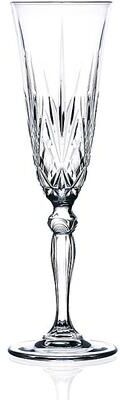
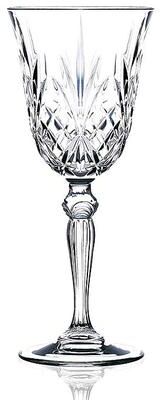
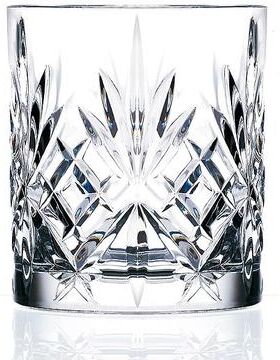
Lorenzo Melodia Collection Crystal Liquor Glasses (Set of 6)Made in Florence, Italy by RCR Crystal, these elegant liquor glasses make a classic addition to any table ware. This set of six 4-ounce Melodia glasses is made of real crystal, but is sturdy enough to be dishwasher safe.36,04 $*Shipping: 0,00 $Secure redirect to the provider
-
What is the difference between flute and oboe?
The main difference between the flute and oboe lies in their construction and sound production. The flute is a woodwind instrument that produces sound by blowing air across a hole in the mouthpiece, while the oboe is a double-reed instrument that creates sound by vibrating two reeds against each other. Additionally, the flute has a higher pitch and a brighter tone compared to the oboe, which has a more nasal and reedy sound. The oboe is also known for its prominent role in orchestral music, while the flute is versatile and used in various musical genres. **
-
How do the flute and recorder sound together?
The flute and recorder sound together create a beautiful and harmonious blend of tones. The flute's warm and rich sound complements the recorder's bright and clear tone, resulting in a balanced and pleasing combination. Their similar timbres allow them to blend seamlessly, creating a cohesive and unified sound when played together. Overall, the flute and recorder create a delightful and enchanting musical partnership. **
-
What are the similarities between saxophone and flute?
Both the saxophone and flute are woodwind instruments that produce sound through the vibration of air. They both have a similar fingering system, with keys and holes that the player covers to change the pitch. Additionally, both instruments are capable of producing a wide range of tones and can be used in a variety of musical genres, from classical to jazz to pop. **
-
Is the flute difficult?
The difficulty of playing the flute can vary depending on the individual and their level of commitment and practice. Like any musical instrument, learning the flute requires dedication, patience, and consistent practice to develop the necessary skills and techniques. While some may find the flute challenging to learn at first, with time and effort, it can become more manageable and enjoyable to play. Overall, the difficulty of the flute is subjective and can be overcome with perseverance and a positive attitude. **
* All prices are inclusive of VAT and, if applicable, plus shipping costs. The offer information is based on the details provided by the respective shop and is updated through automated processes. Real-time updates do not occur, so deviations can occur in individual cases. ** Note: Parts of this content were created by AI.