Buy momente.eu ?
We are moving the project
momente.eu .
Are you interested in purchasing the domain
momente.eu ?
domain@kv-gmbh.de · 0541-91531010
Buy momente.eu ?
Why do non-bonding electron pairs occupy more space than bonding electron pairs?
Non-bonding electron pairs occupy more space than bonding electron pairs because they are not involved in forming a bond and are therefore more spread out. Bonding electron pairs are held between two atoms in a fixed position, while non-bonding electron pairs are free to move around the atom, leading to increased repulsion between them. This repulsion causes non-bonding electron pairs to spread out more, taking up more space compared to bonding electron pairs. **
What are 48 volts and 12 volts?
48 volts and 12 volts are measurements of electrical potential difference, commonly used in various electrical systems. 48 volts is typically used in telecommunications, data centers, and industrial applications, while 12 volts is commonly found in automotive systems, small electronics, and lighting. These voltage levels determine the amount of power that can be supplied to devices and equipment, with higher voltages like 48 volts providing more power than lower voltages like 12 volts. **

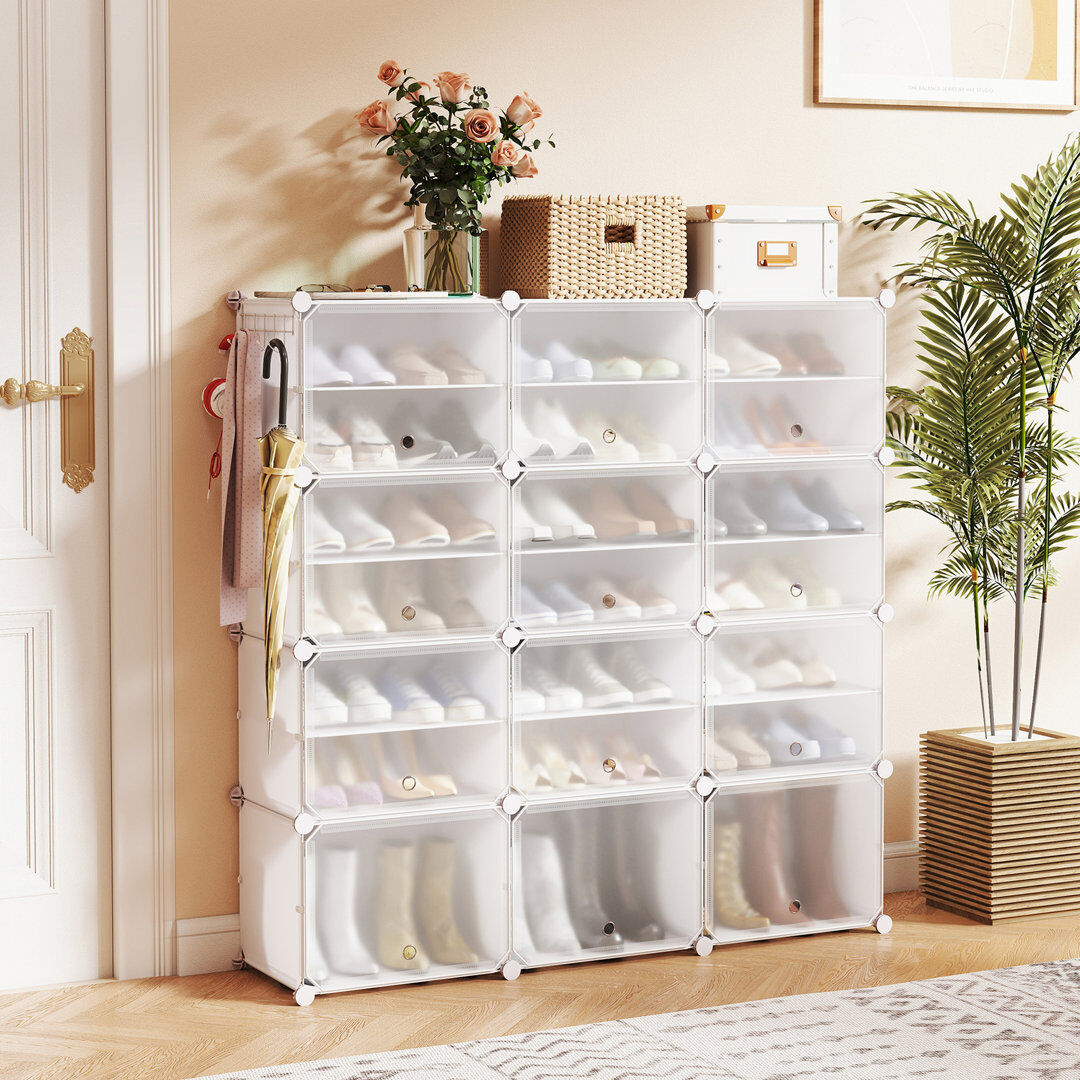
Similar search terms for Costway-12-Cube-48-Pairs
Top-Angebote
Products related to Costway-12-Cube-48-Pairs:
-
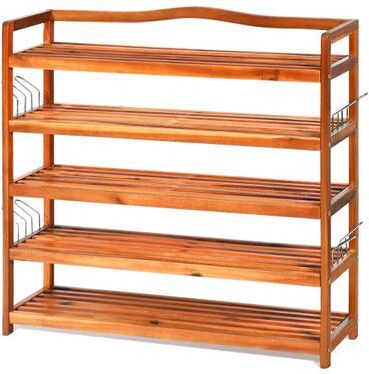
Costway 5-Tier Wood Large Shoe Rack Holds up 12-18 PairsThis shoe rack could effectively keep your shoes in order instead of leaving your entrance in a mess. It uses Acacia wood and screw connection to ensure that it has good support and stability.94,99 $*Shipping: 0,00 $Secure redirect to the provider
-
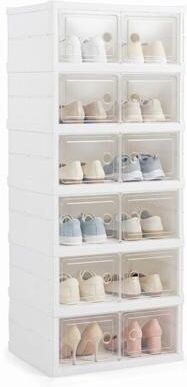
Inspired Living 12 Pairs Damage Free Picture Hanging Strips Removable Adhesive Wall Hangers 70x16mm 12 PairsRefresh your walls without reaching for nails, screws, or a hammer. These picture hanging strips provide a simple way to display frames, drawings, posters, and decorative pieces while helping keep your walls free from holes. The interlocking...23,97 $*Shipping: 0,00 $Secure redirect to the provider


-
Why do free electron pairs require more space than bonding pairs?
Free electron pairs require more space than bonding pairs because they are not involved in forming a bond and are free to move around the atom. Bonding pairs are shared between two atoms and are held in a fixed position, which allows them to occupy less space. Free electron pairs, on the other hand, repel each other due to their negative charge, causing them to spread out as much as possible to minimize repulsion. This results in free electron pairs requiring more space compared to bonding pairs. **
-
Why do free electron pairs require more space than bonding electron pairs?
Free electron pairs require more space than bonding electron pairs because they are not involved in forming a chemical bond and are therefore more spread out. Bonding electron pairs are shared between two atoms and are held closer together, occupying less space. Free electron pairs, on the other hand, are not constrained by a bond and repel each other, causing them to spread out and require more space. This is known as the lone pair repulsion effect. **
-
Why do free electron pairs take up more space than bonding electron pairs?
Free electron pairs take up more space than bonding electron pairs because they are not involved in the formation of a covalent bond and are more spread out. In contrast, bonding electron pairs are held more closely between the two atoms involved in the bond, resulting in a smaller effective size. Additionally, free electron pairs are more likely to experience repulsion from other electron pairs, leading to a larger spatial distribution. This is why free electron pairs tend to have a greater influence on the overall shape and geometry of a molecule. **
-
Why do non-bonding electron pairs take up more space than bonding electron pairs in the VSEPR model?
Non-bonding electron pairs take up more space than bonding electron pairs in the VSEPR model because they are not involved in the formation of a bond and therefore experience greater repulsion from other electron pairs. This repulsion causes non-bonding electron pairs to spread out more, resulting in a larger electron cloud and a greater repulsive force. In contrast, bonding electron pairs are held closer together by the shared nucleus of the bonded atoms, leading to a smaller electron cloud and less repulsion. This difference in repulsion between non-bonding and bonding electron pairs is a key factor in determining the overall shape of a molecule in the VSEPR model. **

How do you distinguish between bonding and non-bonding electron pairs?
Bonding electron pairs are involved in the formation of chemical bonds between atoms, while non-bonding electron pairs are not involved in the formation of chemical bonds. Bonding electron pairs are typically found in the outermost energy level of an atom and are shared between two atoms to form a bond, while non-bonding electron pairs are also found in the outermost energy level but are not involved in bonding and are often referred to as lone pairs. In a Lewis structure, bonding electron pairs are represented by a solid line or dash between the atoms, while non-bonding electron pairs are represented as pairs of dots around the atom. **
How is it possible that Eva has 12 pairs of ribs?
It is possible that Eva has 12 pairs of ribs due to a rare anatomical variation known as cervical ribs. Cervical ribs are extra ribs that grow above the first rib, resulting in an additional pair of ribs. This condition is present in a small percentage of the population and is usually asymptomatic. In Eva's case, her 12 pairs of ribs are likely a result of this rare anatomical variation. **
Top-Angebote
Products related to Costway-12-Cube-48-Pairs:
-
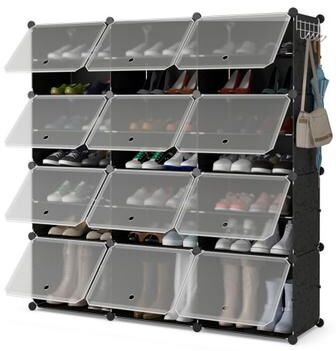
Rebrilliant 48 Pairs Portable Shoe Shelves 12-Cube Shoe Storage Cabinet W/Removable Shelf White 48This freestanding shoe rack can be assembled into different shapes to fit different room sizes. You can use our shoe storage cabinet in the hallway, entryway, living room, etc. Besides, there are 12 cubes and 5 hanging hooks for you to store a variety of items. Each cube supports up to 4 pairs of shoes. Meanwhile, removable shelves allow you to better organize its interior storage space for different sized stuff. Solid steel frame and strong materials keep it durable and stable. In addition, the 48 pairs shoe tower rack is easy to assemble and clean, which is labor-saving and time-saving. Brand Name: Rebrilliant. Finish: White49,99 £*Shipping: 4,99 £Secure redirect to the provider
-
Costway 5-Tier Wood Large Shoe Rack Holds up 12-18 PairsThis shoe rack could effectively keep your shoes in order instead of leaving your entrance in a mess. It uses Acacia wood and screw connection to ensure that it has good support and stability.94,99 $*Shipping: 0,00 $Secure redirect to the provider
-
Why do non-bonding electron pairs occupy more space than bonding electron pairs?
Non-bonding electron pairs occupy more space than bonding electron pairs because they are not involved in forming a bond and are therefore more spread out. Bonding electron pairs are held between two atoms in a fixed position, while non-bonding electron pairs are free to move around the atom, leading to increased repulsion between them. This repulsion causes non-bonding electron pairs to spread out more, taking up more space compared to bonding electron pairs. **
-
What are 48 volts and 12 volts?
48 volts and 12 volts are measurements of electrical potential difference, commonly used in various electrical systems. 48 volts is typically used in telecommunications, data centers, and industrial applications, while 12 volts is commonly found in automotive systems, small electronics, and lighting. These voltage levels determine the amount of power that can be supplied to devices and equipment, with higher voltages like 48 volts providing more power than lower voltages like 12 volts. **
-
Why do free electron pairs require more space than bonding pairs?
Free electron pairs require more space than bonding pairs because they are not involved in forming a bond and are free to move around the atom. Bonding pairs are shared between two atoms and are held in a fixed position, which allows them to occupy less space. Free electron pairs, on the other hand, repel each other due to their negative charge, causing them to spread out as much as possible to minimize repulsion. This results in free electron pairs requiring more space compared to bonding pairs. **
-
Why do free electron pairs require more space than bonding electron pairs?
Free electron pairs require more space than bonding electron pairs because they are not involved in forming a chemical bond and are therefore more spread out. Bonding electron pairs are shared between two atoms and are held closer together, occupying less space. Free electron pairs, on the other hand, are not constrained by a bond and repel each other, causing them to spread out and require more space. This is known as the lone pair repulsion effect. **
Similar search terms for Costway-12-Cube-48-Pairs
-
Inspired Living 12 Pairs Damage Free Picture Hanging Strips Removable Adhesive Wall Hangers 70x16mm 12 PairsRefresh your walls without reaching for nails, screws, or a hammer. These picture hanging strips provide a simple way to display frames, drawings, posters, and decorative pieces while helping keep your walls free from holes. The interlocking...23,97 $*Shipping: 0,00 $Secure redirect to the provider
-
Why do free electron pairs take up more space than bonding electron pairs?
Free electron pairs take up more space than bonding electron pairs because they are not involved in the formation of a covalent bond and are more spread out. In contrast, bonding electron pairs are held more closely between the two atoms involved in the bond, resulting in a smaller effective size. Additionally, free electron pairs are more likely to experience repulsion from other electron pairs, leading to a larger spatial distribution. This is why free electron pairs tend to have a greater influence on the overall shape and geometry of a molecule. **
-
Why do non-bonding electron pairs take up more space than bonding electron pairs in the VSEPR model?
Non-bonding electron pairs take up more space than bonding electron pairs in the VSEPR model because they are not involved in the formation of a bond and therefore experience greater repulsion from other electron pairs. This repulsion causes non-bonding electron pairs to spread out more, resulting in a larger electron cloud and a greater repulsive force. In contrast, bonding electron pairs are held closer together by the shared nucleus of the bonded atoms, leading to a smaller electron cloud and less repulsion. This difference in repulsion between non-bonding and bonding electron pairs is a key factor in determining the overall shape of a molecule in the VSEPR model. **
-
How do you distinguish between bonding and non-bonding electron pairs?
Bonding electron pairs are involved in the formation of chemical bonds between atoms, while non-bonding electron pairs are not involved in the formation of chemical bonds. Bonding electron pairs are typically found in the outermost energy level of an atom and are shared between two atoms to form a bond, while non-bonding electron pairs are also found in the outermost energy level but are not involved in bonding and are often referred to as lone pairs. In a Lewis structure, bonding electron pairs are represented by a solid line or dash between the atoms, while non-bonding electron pairs are represented as pairs of dots around the atom. **
-
How is it possible that Eva has 12 pairs of ribs?
It is possible that Eva has 12 pairs of ribs due to a rare anatomical variation known as cervical ribs. Cervical ribs are extra ribs that grow above the first rib, resulting in an additional pair of ribs. This condition is present in a small percentage of the population and is usually asymptomatic. In Eva's case, her 12 pairs of ribs are likely a result of this rare anatomical variation. **
* All prices are inclusive of VAT and, if applicable, plus shipping costs. The offer information is based on the details provided by the respective shop and is updated through automated processes. Real-time updates do not occur, so deviations can occur in individual cases. ** Note: Parts of this content were created by AI.