Buy momente.eu ?
We are moving the project
momente.eu .
Are you interested in purchasing the domain
momente.eu ?
domain@kv-gmbh.de · 0541-91531010
Buy momente.eu ?
What is the difference between Homo oeconomicus and Homo sapiens?
Homo oeconomicus is a theoretical concept in economics that describes humans as rational, self-interested decision-makers who always act in a way that maximizes their own utility. This model assumes that individuals have perfect information, make decisions based on cost-benefit analysis, and have consistent preferences over time. On the other hand, Homo sapiens refers to actual human beings, who are influenced by emotions, social norms, and cognitive biases in their decision-making. Unlike Homo oeconomicus, Homo sapiens are not always rational and may not always act in their own self-interest. This difference highlights the limitations of the Homo oeconomicus model in capturing the complexity of human behavior. **
What is the difference between Homo oecologicus and Homo oeconomicus?
Homo oecologicus and Homo oeconomicus are two different conceptual models used to understand human behavior. Homo oecologicus is a theoretical model that views humans as being inherently connected to and dependent on their natural environment. This model emphasizes the importance of sustainability and the need to consider the ecological impact of human actions. On the other hand, Homo oeconomicus is a model that views humans as rational, self-interested actors who make decisions based on maximizing their own utility or economic gain. This model is often used in economics and assumes that individuals make decisions based on cost-benefit analysis and the pursuit of their own self-interest. In summary, the main difference between the two models is their focus - Homo oecologicus emphasizes the ecological impact of human behavior, while Homo oeconomicus focuses on the economic rationality of human decision-making. **

Similar search terms for Oeconomicus
Top-Angebote
Products related to Oeconomicus:
-
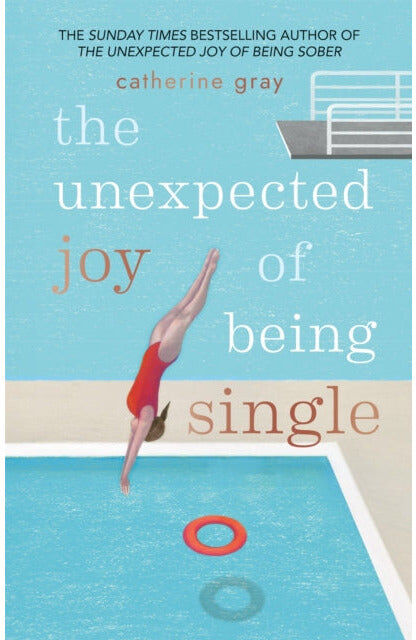
Aster The Unexpected Joy of Being Single: Locating unattached happiness by Catherine GrayHaving a secret single freak-out? Feeling the red, heart-shaped urgency intensify as the years roll on by? Oh hi! You're in the right place. Over half of Brits aged 25-44 are now single. It's become the norm to remain solo until much later in life, given the average marriage ages of 35 (women) and 38 (men). Many of us are choosing never to marry at all.But society, films, song lyrics and our parents are adamant that a happy ending has to be couple-shaped. That we're incomplete without an 'other half'*, like a bisected panto pony. Cue: single sorrow. Dating like it's a job. Spending half our lives waiting for somebody-we-fancy to text us back. Feeling haunted by the terms 'spinster' or 'confirmed bachelor.' Catherine Gray took a whole year off dating to find single satisfaction. She lifted the lid on the reasons behind the global single revolution, explored the bizarre ways cultures single-shame, detached from 'all the good ones are gone!' panic and debunked the myth that married people are much happier. Let's start the reverse brainwash, in order to locate - and luxuriate in - single happiness. Are you in?1,99 £*Shipping: 1,99 £Secure redirect to the provider
-
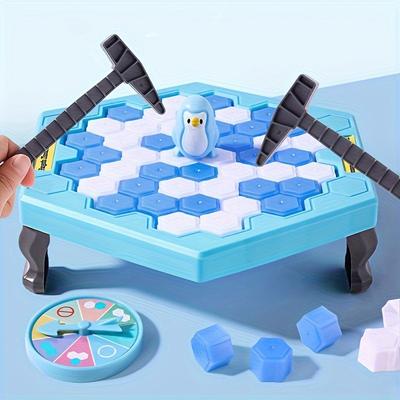
Youfap Market Educational Toy, Save The Penguin Ice Tapping Rescue Game, Fun Family Game For Parent Child Bonding Educational Toy, Save The Penguin Ice Tapping Rescue Game, Fun Family Game For Parent Child BondingEngage and Bond with the Save The Penguin Ice Tapping Rescue Game Looking for a fun and educational way to bond with your kids The Save The Penguin Ice Tapping Rescue Game is a perfect choice for quality parentchild bonding time. This interactive...49,97 $*Shipping: 0,00 $Secure redirect to the provider
-
Hardie Grant Books The Spanish Home Kitchen by José Pizarro - Hardback Spanish Cookbook - 80+ Seasonal Recipes & Family Memories - Foodie GiftThe Spanish Home Kitchen by José Pizarro is a cookbook that gathers over 80 seasonal recipes from his family farm in Talaván and from all corners of Spain. This hardback edition combines evocative storytelling with achievable, authentic cooking, making it a valuable addition to any kitchen bookshelf. It's a book for cooks who want real Spanish flavor without the fuss, and for anyone who loves food with heart and history behind it. Chef José Pizarro grew up on a farming family's land in central-western Spain, where meals were built around whatever the season, the garden, and the farmyard provided. In The Spanish Home Kitchen, he returns to that childhood home to retell the recipes passed from his grandmother, to his mother, and eventually to him.19,99 £*Shipping: 2,99 £Secure redirect to the provider
-
C&F Home "5"" JOY with Holy Christmas Family Decor Decoration Figurine Single - Brown""Bring a touch of joy to the home with our ""JOY"" with Holy Family Decor. We have designed these figurines for decorating a table, mantle, or any other flat surface. They are perfect for your home or as a gift for a loved one."25,99 $*Shipping: 0,00 $Secure redirect to the provider


-
What are examples of the Homo oeconomicus and the Homo sociologicus?
The Homo oeconomicus is a theoretical concept in economics that describes a rational, self-interested individual who makes decisions based on maximizing their own utility or economic well-being. An example of Homo oeconomicus might be a person who always seeks to maximize their financial gains, makes decisions based on cost-benefit analysis, and acts in their own self-interest without considering the impact on others. On the other hand, the Homo sociologicus is a theoretical concept in sociology that describes an individual who is influenced by social norms, values, and the expectations of their community. An example of Homo sociologicus might be a person who makes decisions based on the expectations and norms of their social group, prioritizes the well-being of the community over individual gain, and is influenced by social pressures and cultural values in their decision-making. **
-
Do you think that the Homo Oeconomicus is only a theoretical construct?
Yes, I believe that the Homo Oeconomicus is primarily a theoretical construct. While it serves as a useful model for understanding economic behavior, it oversimplifies the complexity of human decision-making. In reality, individuals are influenced by a wide range of factors, including emotions, social norms, and cognitive biases, which the Homo Oeconomicus model does not fully account for. Therefore, while it can be a helpful tool for economic analysis, it should not be taken as an accurate representation of real human behavior. **
-
Can someone explain to me in more detail the connection between the Homo Oeconomicus and the economic principle?
The Homo Oeconomicus, or economic man, is a theoretical concept in economics that represents a rational, self-interested individual who makes decisions based on maximizing their own utility. This concept is closely connected to the economic principle of rational choice, which assumes that individuals make decisions that are in their best interest, given their preferences and constraints. The Homo Oeconomicus is used as a simplifying assumption in economic models to understand and predict individual behavior in markets and other economic settings. The economic principle is based on the idea that individuals will make choices that maximize their own well-being, and the Homo Oeconomicus is a representation of this idea in economic theory. **
-
What is a family celebration?
A family celebration is a special event or occasion that brings together family members to commemorate and enjoy a significant moment or milestone. It can include birthdays, weddings, anniversaries, graduations, holidays, and other important moments in the family's life. Family celebrations often involve traditions, rituals, and activities that are meaningful to the family, and they provide an opportunity for bonding, creating memories, and strengthening the family's connections. These gatherings are a time for joy, love, and togetherness, and they often involve sharing meals, exchanging gifts, and participating in various festivities. **

How do you define happiness and/or joy?
Happiness and joy are feelings of contentment, fulfillment, and inner peace. They are the result of positive experiences, meaningful connections, and a sense of purpose in life. Happiness and joy can be found in both big moments of celebration and in the small, everyday pleasures. Ultimately, they are a state of being that comes from living in alignment with one's values and finding gratitude in the present moment. **
What do you understand by the fact that the Homo Oeconomicus is emotionally equipped, while the emotional subject operates economically?
The concept of Homo Oeconomicus refers to the rational, self-interested individual who makes decisions based on maximizing their own utility. This model assumes that individuals are emotionally equipped, meaning they are able to make decisions based on their emotions and preferences. On the other hand, the emotional subject operates economically refers to the idea that individuals make economic decisions based on their emotions and feelings, rather than purely rational calculations. This suggests that emotions play a significant role in economic decision-making, and that individuals may not always act in a purely rational, self-interested manner. **
Top-Angebote
Products related to Oeconomicus:
-
Aster The Unexpected Joy of Being Single: Locating unattached happiness by Catherine GrayHaving a secret single freak-out? Feeling the red, heart-shaped urgency intensify as the years roll on by? Oh hi! You're in the right place. Over half of Brits aged 25-44 are now single. It's become the norm to remain solo until much later in life, given the average marriage ages of 35 (women) and 38 (men). Many of us are choosing never to marry at all.But society, films, song lyrics and our parents are adamant that a happy ending has to be couple-shaped. That we're incomplete without an 'other half'*, like a bisected panto pony. Cue: single sorrow. Dating like it's a job. Spending half our lives waiting for somebody-we-fancy to text us back. Feeling haunted by the terms 'spinster' or 'confirmed bachelor.' Catherine Gray took a whole year off dating to find single satisfaction. She lifted the lid on the reasons behind the global single revolution, explored the bizarre ways cultures single-shame, detached from 'all the good ones are gone!' panic and debunked the myth that married people are much happier. Let's start the reverse brainwash, in order to locate - and luxuriate in - single happiness. Are you in?1,99 £*Shipping: 1,99 £Secure redirect to the provider
-
Youfap Market Educational Toy, Save The Penguin Ice Tapping Rescue Game, Fun Family Game For Parent Child Bonding Educational Toy, Save The Penguin Ice Tapping Rescue Game, Fun Family Game For Parent Child BondingEngage and Bond with the Save The Penguin Ice Tapping Rescue Game Looking for a fun and educational way to bond with your kids The Save The Penguin Ice Tapping Rescue Game is a perfect choice for quality parentchild bonding time. This interactive...49,97 $*Shipping: 0,00 $Secure redirect to the provider
-
What is the difference between Homo oeconomicus and Homo sapiens?
Homo oeconomicus is a theoretical concept in economics that describes humans as rational, self-interested decision-makers who always act in a way that maximizes their own utility. This model assumes that individuals have perfect information, make decisions based on cost-benefit analysis, and have consistent preferences over time. On the other hand, Homo sapiens refers to actual human beings, who are influenced by emotions, social norms, and cognitive biases in their decision-making. Unlike Homo oeconomicus, Homo sapiens are not always rational and may not always act in their own self-interest. This difference highlights the limitations of the Homo oeconomicus model in capturing the complexity of human behavior. **
-
What is the difference between Homo oecologicus and Homo oeconomicus?
Homo oecologicus and Homo oeconomicus are two different conceptual models used to understand human behavior. Homo oecologicus is a theoretical model that views humans as being inherently connected to and dependent on their natural environment. This model emphasizes the importance of sustainability and the need to consider the ecological impact of human actions. On the other hand, Homo oeconomicus is a model that views humans as rational, self-interested actors who make decisions based on maximizing their own utility or economic gain. This model is often used in economics and assumes that individuals make decisions based on cost-benefit analysis and the pursuit of their own self-interest. In summary, the main difference between the two models is their focus - Homo oecologicus emphasizes the ecological impact of human behavior, while Homo oeconomicus focuses on the economic rationality of human decision-making. **
-
What are examples of the Homo oeconomicus and the Homo sociologicus?
The Homo oeconomicus is a theoretical concept in economics that describes a rational, self-interested individual who makes decisions based on maximizing their own utility or economic well-being. An example of Homo oeconomicus might be a person who always seeks to maximize their financial gains, makes decisions based on cost-benefit analysis, and acts in their own self-interest without considering the impact on others. On the other hand, the Homo sociologicus is a theoretical concept in sociology that describes an individual who is influenced by social norms, values, and the expectations of their community. An example of Homo sociologicus might be a person who makes decisions based on the expectations and norms of their social group, prioritizes the well-being of the community over individual gain, and is influenced by social pressures and cultural values in their decision-making. **
-
Do you think that the Homo Oeconomicus is only a theoretical construct?
Yes, I believe that the Homo Oeconomicus is primarily a theoretical construct. While it serves as a useful model for understanding economic behavior, it oversimplifies the complexity of human decision-making. In reality, individuals are influenced by a wide range of factors, including emotions, social norms, and cognitive biases, which the Homo Oeconomicus model does not fully account for. Therefore, while it can be a helpful tool for economic analysis, it should not be taken as an accurate representation of real human behavior. **
Similar search terms for Oeconomicus
-
Hardie Grant Books The Spanish Home Kitchen by José Pizarro - Hardback Spanish Cookbook - 80+ Seasonal Recipes & Family Memories - Foodie GiftThe Spanish Home Kitchen by José Pizarro is a cookbook that gathers over 80 seasonal recipes from his family farm in Talaván and from all corners of Spain. This hardback edition combines evocative storytelling with achievable, authentic cooking, making it a valuable addition to any kitchen bookshelf. It's a book for cooks who want real Spanish flavor without the fuss, and for anyone who loves food with heart and history behind it. Chef José Pizarro grew up on a farming family's land in central-western Spain, where meals were built around whatever the season, the garden, and the farmyard provided. In The Spanish Home Kitchen, he returns to that childhood home to retell the recipes passed from his grandmother, to his mother, and eventually to him.19,99 £*Shipping: 2,99 £Secure redirect to the provider
-
C&F Home "5"" JOY with Holy Christmas Family Decor Decoration Figurine Single - Brown""Bring a touch of joy to the home with our ""JOY"" with Holy Family Decor. We have designed these figurines for decorating a table, mantle, or any other flat surface. They are perfect for your home or as a gift for a loved one."25,99 $*Shipping: 0,00 $Secure redirect to the provider
-
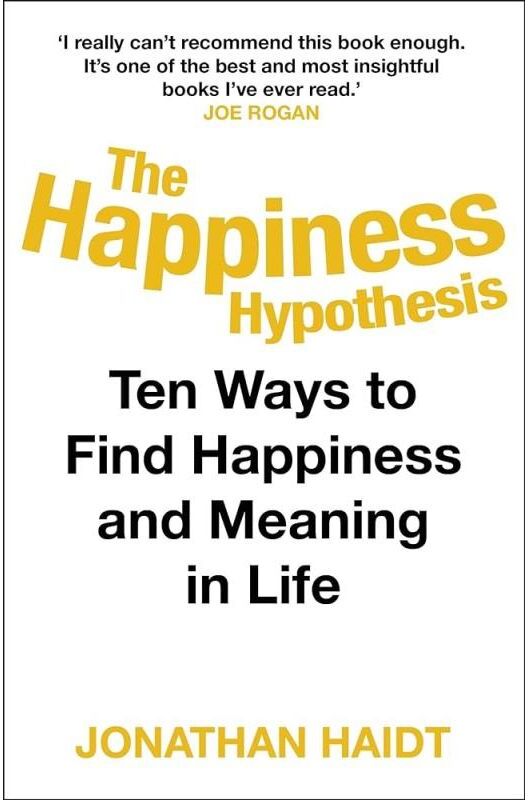
Cornerstone The Happiness Hypothesis: Ten Ways to Find Happiness and Meaning in LifeIn The Happiness Hypothesis, social psychologist Jonathan Haidt examines ten Great Ideas which have been championed across centuries and civilisations and asks: how can we apply these ideas to our twenty-first century lives?By holding ancient wisdom to the test of modern psychology, Haidt extracts lessons on how we can train our brains to be more optimistic, build better relationships and achieve a sense of balance. He also explores how we can overcome the obstacles to well-being that we place in our own way.In this uplifting and empowering book, Haidt draws on sources as diverse as Buddha, Benjamin Franklin and Shakespeare to show how we can find happiness and meaning in life10,99 £*Shipping: 2,99 £Secure redirect to the provider
-
11-11: Memories Retold (PlayStation 4)11-11: Memories Retold for PlayStation 4 is a powerful narrative-driven adventure set during the First World War. Told through the interconnected stories of two soldiers on opposing sides of the conflict, the game explores themes of humanity, loss and remembrance. Featuring a distinctive painterly art style and an emotionally rich soundtrack, this PS4 title delivers a deeply moving interactive experience. Key Features Story-driven adventure set during World War I Two interwoven narratives offering different perspectives of the conflict Unique impressionist, painterly visual style Emotionally engaging soundtrack enhancing the narrative tone Focus on exploration, storytelling and player choice Thought-provoking themes centred on memory and humanity Benefits 11-11: Memories Retold offers a meaningful and reflective gaming experience that goes beyond traditional action gameplay. Its emotionally charged storytelling and artistic presentation make it ideal for players who appreciate narrative depth and historical themes. The game provides a respectful and engaging way to explore the human stories behind World War I. Specifications Feature Details Product Title 11-11: Memories Retold Platform Sony PlayStation 4 Genre Adventure / Narrative Game Mode Single-player Edition Standard Edition Media Blu-ray Disc PEGI Rating PEGI 12 Publisher Bandai Namco Entertainment Release Format Physical Disc Ideal for players who enjoy story-focused games, artistic presentation and historically inspired narratives. Perfect for those looking for a thoughtful, emotionally engaging single-player experience on PS4.19,89 £*Shipping: 0,00 £Secure redirect to the provider
-
Can someone explain to me in more detail the connection between the Homo Oeconomicus and the economic principle?
The Homo Oeconomicus, or economic man, is a theoretical concept in economics that represents a rational, self-interested individual who makes decisions based on maximizing their own utility. This concept is closely connected to the economic principle of rational choice, which assumes that individuals make decisions that are in their best interest, given their preferences and constraints. The Homo Oeconomicus is used as a simplifying assumption in economic models to understand and predict individual behavior in markets and other economic settings. The economic principle is based on the idea that individuals will make choices that maximize their own well-being, and the Homo Oeconomicus is a representation of this idea in economic theory. **
-
What is a family celebration?
A family celebration is a special event or occasion that brings together family members to commemorate and enjoy a significant moment or milestone. It can include birthdays, weddings, anniversaries, graduations, holidays, and other important moments in the family's life. Family celebrations often involve traditions, rituals, and activities that are meaningful to the family, and they provide an opportunity for bonding, creating memories, and strengthening the family's connections. These gatherings are a time for joy, love, and togetherness, and they often involve sharing meals, exchanging gifts, and participating in various festivities. **
-
How do you define happiness and/or joy?
Happiness and joy are feelings of contentment, fulfillment, and inner peace. They are the result of positive experiences, meaningful connections, and a sense of purpose in life. Happiness and joy can be found in both big moments of celebration and in the small, everyday pleasures. Ultimately, they are a state of being that comes from living in alignment with one's values and finding gratitude in the present moment. **
-
What do you understand by the fact that the Homo Oeconomicus is emotionally equipped, while the emotional subject operates economically?
The concept of Homo Oeconomicus refers to the rational, self-interested individual who makes decisions based on maximizing their own utility. This model assumes that individuals are emotionally equipped, meaning they are able to make decisions based on their emotions and preferences. On the other hand, the emotional subject operates economically refers to the idea that individuals make economic decisions based on their emotions and feelings, rather than purely rational calculations. This suggests that emotions play a significant role in economic decision-making, and that individuals may not always act in a purely rational, self-interested manner. **
* All prices are inclusive of VAT and, if applicable, plus shipping costs. The offer information is based on the details provided by the respective shop and is updated through automated processes. Real-time updates do not occur, so deviations can occur in individual cases. ** Note: Parts of this content were created by AI.