Buy momente.eu ?
We are moving the project
momente.eu .
Are you interested in purchasing the domain
momente.eu ?
domain@kv-gmbh.de · 0541-91531010
Buy momente.eu ?
What filters best, ash, charcoal, or activated charcoal?
Activated charcoal is the best filter among the three options. It has a larger surface area and more porous structure, allowing it to effectively trap and remove impurities from air and water. Ash and regular charcoal may also have some filtering properties, but they are not as effective as activated charcoal. Therefore, when it comes to filtering, activated charcoal is the superior choice. **
Who produces charcoal?
Charcoal is typically produced by burning wood in a low-oxygen environment, a process known as pyrolysis. This can be done on a small scale by individuals for personal use or on a larger scale by commercial operations. Charcoal is also produced as a byproduct of other industries, such as the production of steel or sugar. **

Similar search terms for WallPops-Mountain-Side-Charcoal
Top-Angebote
Products related to WallPops-Mountain-Side-Charcoal:
-
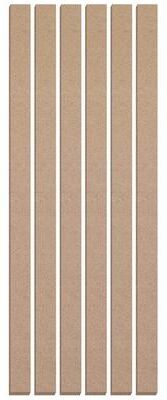
WallPops Narrow Paintable Shaker Wall PanelsBring elevated character to your space with paintable MDF Shaker wall panels. Perfect for walls, cabinetry, and furniture projects, this set of customizable panels allows you to easily add a sophisticated board-and-batten accent to any room.59,99 $*Shipping: 0,00 $Secure redirect to the provider
-
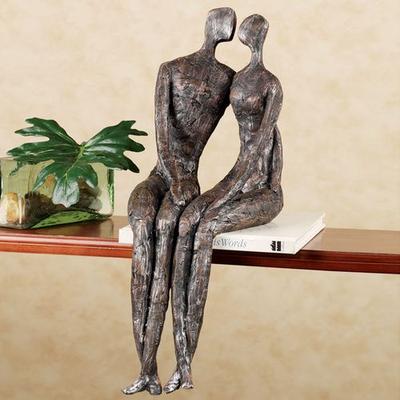
Touch of Class Side by Side Shelf Sitter Charcoal Black , Charcoal BlackRemind yourself of a couple's precious bond with the resin Side by Side Shelf Sitter, which depicts an abstract man and woman seated next to one another. Going through life together, a strong couple knows they are partners in life and will never be...34,99 $*Shipping: 9,95 $Secure redirect to the provider
-
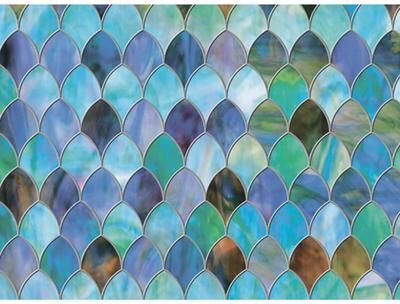
WallPops - Book Spines Peel and Stick MuralMake books the main event. This oversized mural creates a bold, playful focal point for classrooms, libraries, reading rooms, and book-loving spaces. Book Spines Peel and Stick Mural contains 4 pieces on 4 sheets that measure 20.5 x 96 inches.93,99 $*Shipping: 0,00 $Secure redirect to the provider

-
Is charcoal dangerous?
Charcoal itself is not inherently dangerous, but it can pose risks if not used properly. When burned, charcoal produces carbon monoxide, a colorless, odorless gas that can be harmful or even deadly if inhaled in high concentrations. Therefore, it is important to always use charcoal in a well-ventilated area to prevent the buildup of carbon monoxide. Additionally, ingesting charcoal can be dangerous and should be avoided. Overall, when used safely and responsibly, charcoal can be a useful and effective fuel source for cooking and heating. **
-
Is it possible to use charcoal instead of activated charcoal?
While charcoal and activated charcoal may look similar, they are not the same. Activated charcoal has been specially treated to increase its surface area and make it more porous, which enhances its ability to adsorb toxins and impurities. Regular charcoal, on the other hand, may not have the same adsorption capabilities. Therefore, it is not recommended to use regular charcoal as a substitute for activated charcoal in medical or purification applications. **
-
Can you eat charcoal?
While charcoal is not meant to be consumed, there are certain types of activated charcoal that are safe for consumption in small amounts. Activated charcoal is sometimes used in emergency situations to treat certain types of poisoning or overdose. However, it is important to note that consuming charcoal regularly or in large amounts can be harmful and interfere with the absorption of nutrients in the body. It is always best to consult with a healthcare professional before consuming charcoal for any purpose. **
-
Where is charcoal produced?
Charcoal is produced through a process called pyrolysis, which involves heating wood, coconut shells, or other organic materials in the absence of oxygen. This process can be carried out in traditional kilns or modern industrial retorts. Charcoal production is commonly found in areas with abundant sources of wood or coconut shells, such as forests, plantations, or rural areas. **

Is activated charcoal dangerous?
Activated charcoal is generally considered safe when used in appropriate amounts for short periods of time. However, it can be dangerous if consumed in large quantities or over long periods, as it can interfere with the absorption of nutrients and medications. Additionally, inhaling activated charcoal dust can cause lung irritation. It's important to use activated charcoal under the guidance of a healthcare professional and to follow the recommended dosage and usage instructions. **
What color is charcoal?
Charcoal is typically a dark gray or black color. It is the color of the residue left after burning wood or other organic materials. Charcoal is often used for drawing and sketching because of its deep, rich color. **
Top-Angebote
Products related to WallPops-Mountain-Side-Charcoal:
-
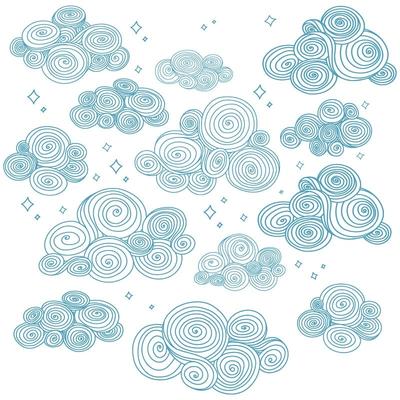
WallPops WallPops Not So Cirrius Wall DecalNever get tired of looking up at your ceilings with these new cloud decals! Peel and stick the Not So Cirrius wall decals to ceilings, walls, and more to add a whimsical and illustrative touch to your décor.48,50 $*Shipping: 0,00 $Secure redirect to the provider
-
WallPops Narrow Paintable Shaker Wall PanelsBring elevated character to your space with paintable MDF Shaker wall panels. Perfect for walls, cabinetry, and furniture projects, this set of customizable panels allows you to easily add a sophisticated board-and-batten accent to any room.59,99 $*Shipping: 0,00 $Secure redirect to the provider
-
What filters best, ash, charcoal, or activated charcoal?
Activated charcoal is the best filter among the three options. It has a larger surface area and more porous structure, allowing it to effectively trap and remove impurities from air and water. Ash and regular charcoal may also have some filtering properties, but they are not as effective as activated charcoal. Therefore, when it comes to filtering, activated charcoal is the superior choice. **
-
Who produces charcoal?
Charcoal is typically produced by burning wood in a low-oxygen environment, a process known as pyrolysis. This can be done on a small scale by individuals for personal use or on a larger scale by commercial operations. Charcoal is also produced as a byproduct of other industries, such as the production of steel or sugar. **
-
Is charcoal dangerous?
Charcoal itself is not inherently dangerous, but it can pose risks if not used properly. When burned, charcoal produces carbon monoxide, a colorless, odorless gas that can be harmful or even deadly if inhaled in high concentrations. Therefore, it is important to always use charcoal in a well-ventilated area to prevent the buildup of carbon monoxide. Additionally, ingesting charcoal can be dangerous and should be avoided. Overall, when used safely and responsibly, charcoal can be a useful and effective fuel source for cooking and heating. **
-
Is it possible to use charcoal instead of activated charcoal?
While charcoal and activated charcoal may look similar, they are not the same. Activated charcoal has been specially treated to increase its surface area and make it more porous, which enhances its ability to adsorb toxins and impurities. Regular charcoal, on the other hand, may not have the same adsorption capabilities. Therefore, it is not recommended to use regular charcoal as a substitute for activated charcoal in medical or purification applications. **
Similar search terms for WallPops-Mountain-Side-Charcoal
-
Touch of Class Side by Side Shelf Sitter Charcoal Black , Charcoal BlackRemind yourself of a couple's precious bond with the resin Side by Side Shelf Sitter, which depicts an abstract man and woman seated next to one another. Going through life together, a strong couple knows they are partners in life and will never be...34,99 $*Shipping: 9,95 $Secure redirect to the provider
-
WallPops - Book Spines Peel and Stick MuralMake books the main event. This oversized mural creates a bold, playful focal point for classrooms, libraries, reading rooms, and book-loving spaces. Book Spines Peel and Stick Mural contains 4 pieces on 4 sheets that measure 20.5 x 96 inches.93,99 $*Shipping: 0,00 $Secure redirect to the provider
-
WallPops Acoustic Slat Wood Natural Wall PanelsEffortlessly upgrade your interiors with these natural wood-toned acoustic wall panels. Offering the look of acoustic wall paneling, these panels make it easy to achieve a modern, dimensional accent with minimal effort.116,49 $*Shipping: 0,00 $Secure redirect to the provider
-
Can you eat charcoal?
While charcoal is not meant to be consumed, there are certain types of activated charcoal that are safe for consumption in small amounts. Activated charcoal is sometimes used in emergency situations to treat certain types of poisoning or overdose. However, it is important to note that consuming charcoal regularly or in large amounts can be harmful and interfere with the absorption of nutrients in the body. It is always best to consult with a healthcare professional before consuming charcoal for any purpose. **
-
Where is charcoal produced?
Charcoal is produced through a process called pyrolysis, which involves heating wood, coconut shells, or other organic materials in the absence of oxygen. This process can be carried out in traditional kilns or modern industrial retorts. Charcoal production is commonly found in areas with abundant sources of wood or coconut shells, such as forests, plantations, or rural areas. **
-
Is activated charcoal dangerous?
Activated charcoal is generally considered safe when used in appropriate amounts for short periods of time. However, it can be dangerous if consumed in large quantities or over long periods, as it can interfere with the absorption of nutrients and medications. Additionally, inhaling activated charcoal dust can cause lung irritation. It's important to use activated charcoal under the guidance of a healthcare professional and to follow the recommended dosage and usage instructions. **
-
What color is charcoal?
Charcoal is typically a dark gray or black color. It is the color of the residue left after burning wood or other organic materials. Charcoal is often used for drawing and sketching because of its deep, rich color. **
* All prices are inclusive of VAT and, if applicable, plus shipping costs. The offer information is based on the details provided by the respective shop and is updated through automated processes. Real-time updates do not occur, so deviations can occur in individual cases. ** Note: Parts of this content were created by AI.